
Silicone Safe for Food Storage: Benefits and Safety Tips
By:Admin
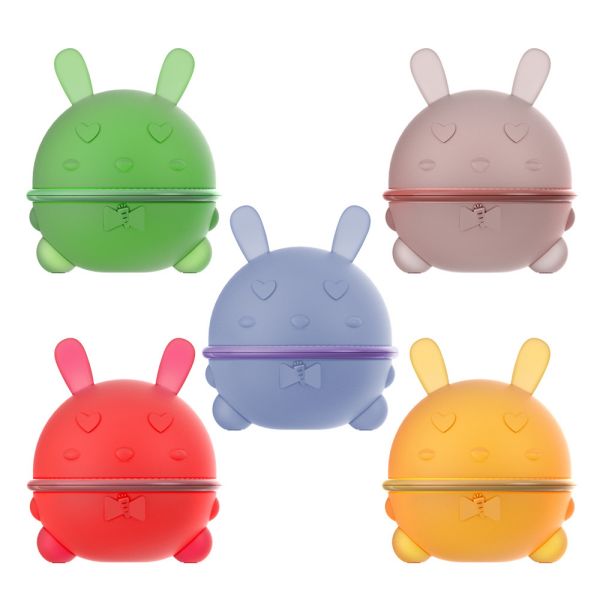
In today’s world where health and safety are paramount, consumers are increasingly seeking reliable and safe materials for food storage. Silicone, a versatile synthetic polymer, has emerged as an excellent choice for food storage applications, combining durability, flexibility, and safety. Recent studies and expert evaluations confirm that silicone is not only safe for food contact but also offers numerous benefits over traditional storage materials, making it an ideal solution for modern kitchens.
### Understanding Silicone and Its Safety Profile
Silicone, often mistaken for plastic or rubber, is a unique compound made from silicon, oxygen, carbon, and hydrogen. Unlike plastics, silicone does not contain harmful chemicals such as BPA (Bisphenol A) or phthalates, which are often associated with health risks. This distinction is key to its reputation as a safe material for food storage.
Experts highlight that silicone is inert and non-reactive, meaning it does not break down or leach chemicals into food even under varying temperature conditions. Whether used in freezing, microwaving, or baking, silicone maintains its integrity without degrading or releasing toxins. This makes it ideal not only for storing leftovers but also for cooking and reheating food.
### Health Benefits of Using Silicone for Food Storage
Choosing safe food storage materials directly impacts health, and silicone provides several advantages:
- **Non-Toxic and Chemical-Free:** Silicone lacks BPA, phthalates, and other hazardous chemicals often present in plastic containers.
- **Hypoallergenic and Odor-Resistant:** It doesn’t absorb food odors or stains, preventing cross-contamination and preserving the original taste and aroma of food.
- **Heat and Cold Resistant:** Silicone withstands extreme temperatures, allowing safe transition from freezer to microwave without compromising safety or performance.
These qualities make silicone an excellent alternative to plastic, glass, or metal containers and wraps, offering peace of mind for health-conscious consumers and families.
### Environmental Impact and Sustainability
In addition to safety, silicone offers environmental benefits as well. Traditional plastics, especially single-use varieties, contribute significantly to environmental pollution and landfill waste. Silicone, by contrast, is durable and reusable, often outlasting plastic containers by several years. Its resistance to degradation reduces the frequency of replacement and waste generation.
Furthermore, silicone products can be recycled at specialized facilities, reducing their environmental footprint. This balance of longevity and recyclability positions silicone as an eco-friendly choice aligned with increasing consumer demand for sustainability.
### Versatility in Kitchen Applications
Silicone’s flexibility and resilience translate to myriad kitchen uses beyond mere food storage. Silicone storage containers, lids, silicone bags, baking mats, and utensils are popular due to their ease of use and maintenance. Their lightweight nature and collapsible design allow easy storage without occupying excessive space, ideal for small kitchen environments.
Moreover, silicone's transparency and color variety enable aesthetic customization, helping users organize and beautify their kitchen spaces while ensuring hygiene and food safety.
### Tips for Choosing Quality Silicone Food Storage Products
While silicone is widely recognized as safe, consumers should be attentive when selecting products:
- **Food-Grade Certification:** Verify that silicone products meet food-grade standards and certifications, such as FDA approval or equivalent regulatory bodies.
- **Purity and Additives:** Opt for 100% pure silicone rather than blends with fillers or additives that might compromise safety.
- **Durability and Warranty:** Select reputable brands offering warranties and quality assurances to ensure long-term use and safety.
### The Role of Innovation and Company Commitment
Innovative companies dedicated to silicone-based kitchenware have prioritized quality control and environmental stewardship. With transparency in sourcing and manufacturing, these enterprises ensure their silicone food storage products provide the utmost safety and performance.
By investing in research and development, these companies continuously improve silicone formulations and designs, enhancing user experience and expanding the range of practical applications.
### Final Thoughts
Silicone stands out as a leading material for safe, convenient, and sustainable food storage. Its outstanding heat resistance, chemical inertness, and longevity make it an indispensable tool in the modern kitchen. As consumers become more informed and health-conscious, the shift towards silicone products reflects a broader commitment to well-being and environmental responsibility.
For anyone looking to upgrade their food storage solutions, silicone offers a proven blend of safety, functionality, and eco-friendliness, promising a healthier and more sustainable kitchen environment.
---
*This article is based on recent findings affirming the safety of silicone for food storage and highlights best practices for consumers seeking responsible and reliable kitchen solutions.*